


19 October, 2026
Less is More: How to Have a Sustainable Wardrobe
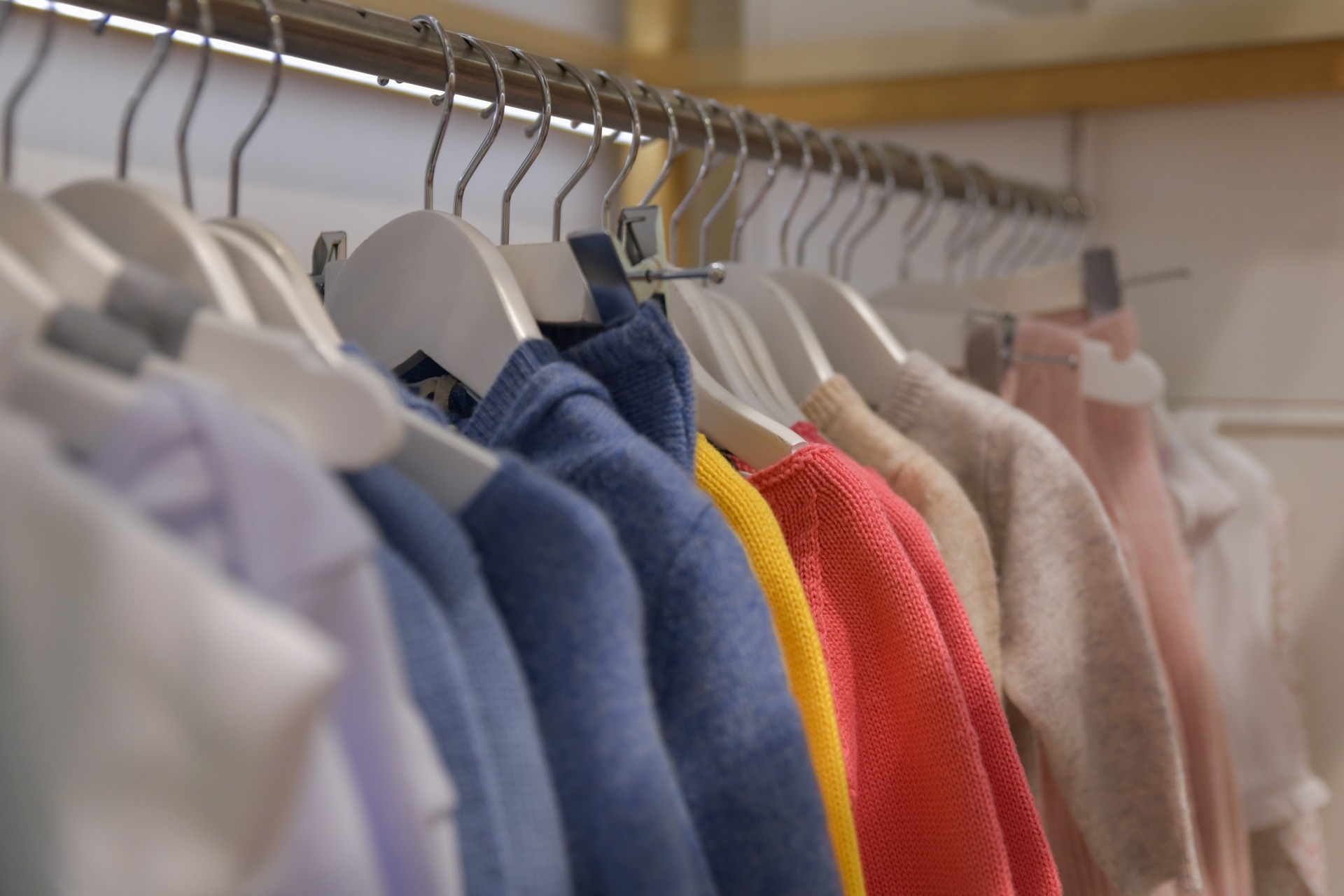
At the end of the 1980s, our relationship with clothes changed radically when prêt-à-porter gave way to fast fashion. We had the chance of wearing a brand new item almost every day, as the turnover was huge and the prices very low, and we were not aware of the real damage we were causing to the planet with this unbridled consumerism.
But there are things we can do to reverse this situation. The fashion industry is one of the most polluting in the world. Let’s look at ins and outs of how we can dress more sustainably by means of smart and responsible consumption.
Thousands of kilometres to wear it once
We are more than used to seeing ‘made in’ on the labels of our clothes, followed by a distant country to which we have probably never been. If we stop to think about the route of a garment, we will realize that many can travel up to 20,000 kilometres before reaching our wardrobes. The low price we pay for them hides the environmental cost of the whole journey: the more the clothes travel, the more they pollute.
And its journey does not end there. Unfortunately, we wear each item of clothing very few times: on average, between 7 and 10 times, and it is estimated that 40% of garments are never worn or are worn very little. And we throw them away when we no longer want to see them in our wardrobe. In fact, an entire lorryload of clothes is discarded every second around the world; it ends up in landfills in the global south, turning Accra Beach into a huge tide of used clothes or the Atacama Desert into a plain covered with mounds of discarded clothes.
We clearly have a problem and the solution begins with the first of the Rs: reduce. We have to buy fewer clothes and wear them more. To make sure we do not get bored with the same garments, we can refresh them by sewing, painting or transforming them, but throwing them away should always be the last option.
Water hidden in a garment
Making clothes needs a lot of water, and when we say a lot, we are talking about huge amounts. A T-shirt requires about 2,700 litres, which is equivalent to four year’s drinking water for a child. A pair of jeans needs about 7,500 litres, or more than 60 bathtubs filled to the brim. In other words, if you have put on a T-shirt, jeans, socks and underwear today, you are wearing more than 10,000 litres of water. Reusing a garment is therefore as much as an absolute necessity as turning off the tap when you brush your teeth.
What our clothes are made of is also important to know. Petroleum-based materials (such as polyester, nylon, or Lycra) can take more than 200 years to disappear from the face of the Earth, while natural materials, such as cotton, are naturally biodegradable in between 1 and 5 months.
Becoming aware
The garment label tells us what material it is made of, in which country it was made and how we should wash it. Reading it helps us to take better care of the item, to make it last longer and to know exactly what we are buying, because remember that clothes are not made only by machines. Farmers, tailors and seamstresses, transporters and salespeople are involved. Real people, often with very different working conditions from those we enjoy here. Don’t forget that when we buy clothes, we also support a way of producing and working.
And what else can we do to reduce clothing consumption? For example, wash it in cold water. This gesture saves as much energy as it takes to keep the TV on all day long. In addition, only washing it when necessary and drying outdoors not only save energy, but also lengthens the life of each garment, as it is not damaged unnecessarily.
Another idea is to swap clothes with friends or at flea markets. It is not only an excellent excuse to meet up, but it also extends the useful life of the garments you no longer want to use, avoid new purchases and reduce waste.
Every person – old and young alike – can make a difference. Taking care of clothes, reusing them, donating them and buying fewer but better ones are things everyone can do. After all, the most sustainable clothing is what we already have!


 Agenda