


17 November, 2026
I Spy! What do You Spy? Lots of Art!
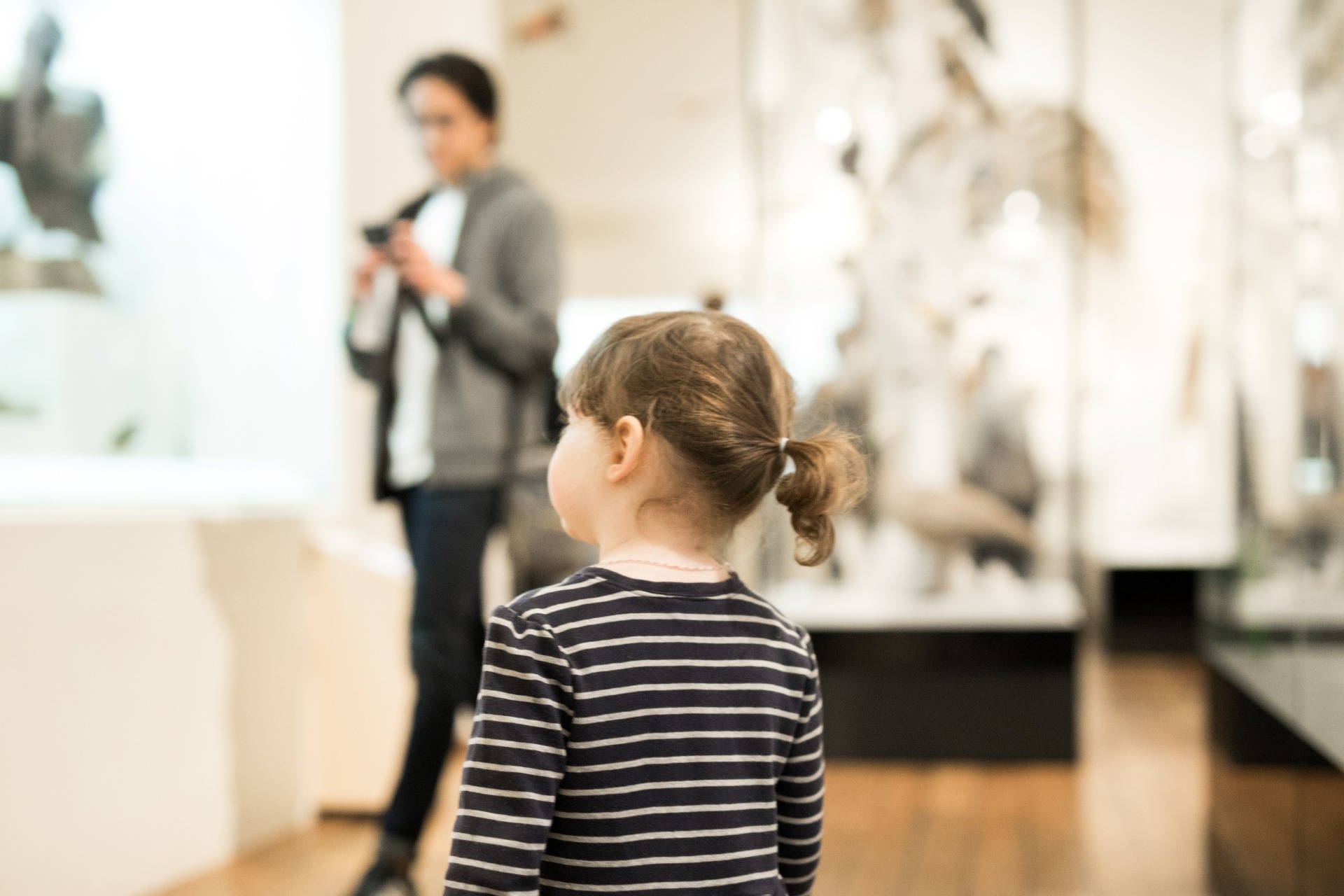
In a fast changing world, a powerful means of growth can be to stop and look back.
Local museums are not just buildings filled with ancient artefacts; they are living spaces that help us understand who we were, who we are and where we are going. Visiting museums as a family, whether with young children or teenagers, is an enriching and exciting way to learn in community, share experiences and build identity.
Why should you visit local museums with children?
Because the deepest learning is the one that is lived. Museums provide a hands-on experience: they allow you to look at replicas, imagine scenes from the past, reconstruct stories through games, maps, costumes or tools. Instead of just memorising facts, children use all their senses as they learn, which awakens a natural and lasting curiosity. This sets an example and creates a powerful habit.
Furthermore, knowing the history of where we live strengthens the link with our roots. Knowing who lived in our territory, how they worked, what challenges they faced, helps us to have a more nuanced understanding of our present and to value the privilege of development, but also the damage it has caused. That is why it is also a great way to encourage critical thinking: how have things changed? What values endure? What decisions did our ancestors make and why?
Museums with something for everyone
The wealth of local museums is obvious. In Bizkaia, for example, there is something for everyone: the Basque Museum of Bilbao is where we can learn about our traditions, trades and customs; the Basque Mining Museum or the Railway Museum show us how industry transformed daily life; the Fine Arts Museum stimulates creativity through art; and spaces such as archaeological parks or interactive museums offer outdoor or technological experiences, ideal for restless minds.
How to turn the visit into a meaningful experience
The key is preparation, curiosity and participation. Choosing together which museum to visit, reading a related story before you go, or simply talking about what you hope to see, makes the visit more personal. Taking an ‘exploration notebook’ to write down or draw what surprises them the most, or asking questions such as ‘What would you have liked to have done at that time?’ or “What items would you take home and why? turn the experience into a family dialogue.
Many museums also run family-friendly workshops or activities, adapted to different ages. Participating in them strengthens the link between generations and allows adults and children to learn together, from different perspectives.
Learning history… to create identity
Discovering our local history is not just about accumulating knowledge: it is a way of creating community. These places speak to us of effort, memory, changes and continuities. They invite us to value what is shared and to imagine a fairer and more conscious future for all people, wherever they come from.
BBK: Culture and education for all generations
Entities such as BBK have a fundamental role to play on this journey. Their commitment to promoting culture, equitable access to heritage and intergenerational education makes it easier for all families to enjoy these spaces and create stronger ties through knowledge.
Because exploring together not only lets us understand the past, we also build the present we share.


 Agenda