





24 August, 2026
GPS Parents
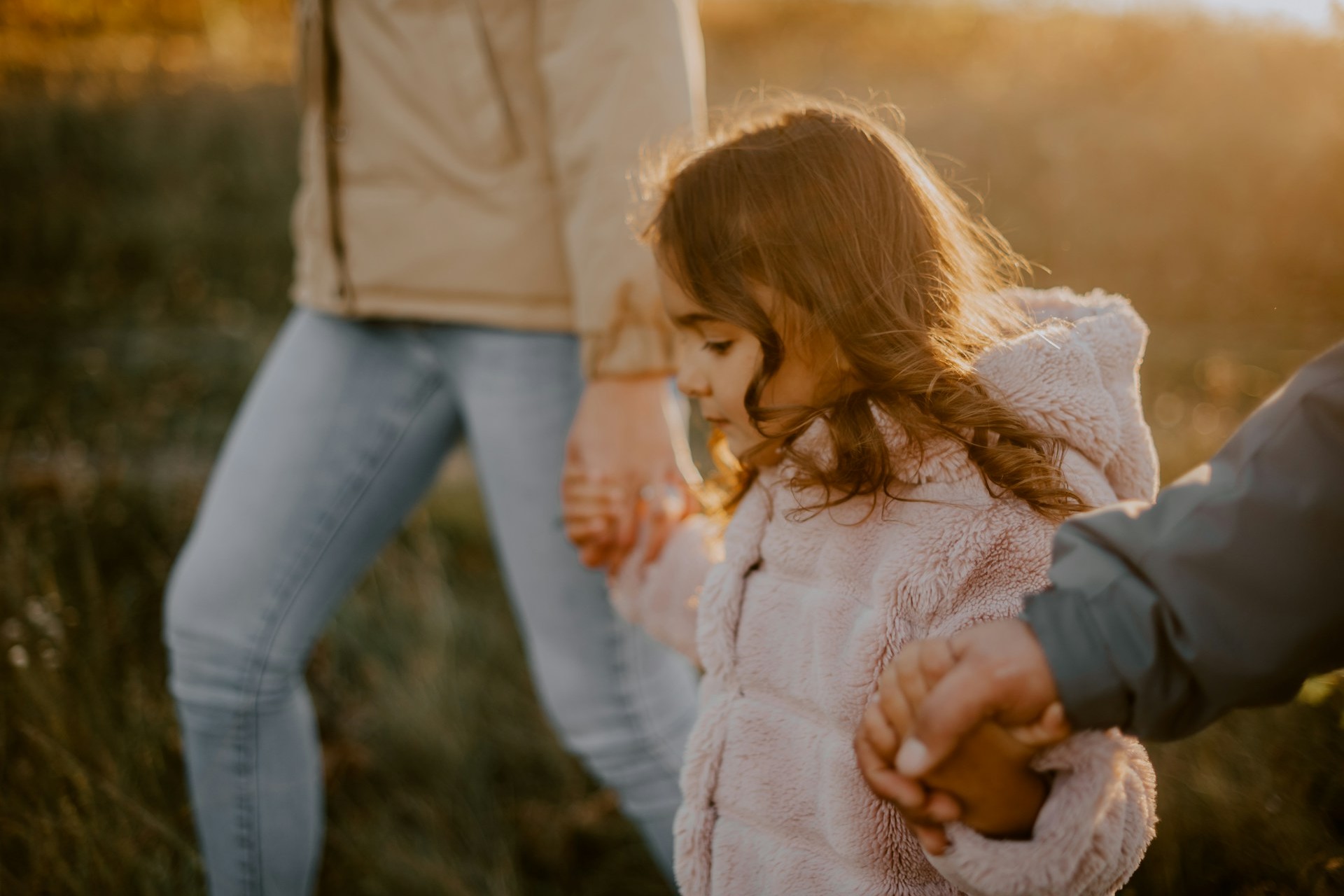
The current generation of parents is probably the one that has dedicated the most time, energy, engagement and resources to the childhood of their sons and daughters: after-school, camps, tutoring, weekend activities and structured leisure from Monday and Sunday are usually a headache and expense for which we never have all the answers. The intention is good because our aim is nearly always to give them opportunities, make sure that nobody is left behind and to provide them with quality stimuli while they learn new skills and knowledge. However, it is also true that we sometimes succumb to peer pressure without really asking ourselves what our children need.
The fear behind schedules
Behind the most structured childhood ever in history, there is, to a great extent, the fear of free time being wasted; that other children progress more quickly; that a missed opportunity will close a door in the future; or that the children get bored and that we have to find them something to do so they do not get frustrated and start quarrelling. Social media does not help to take any pressure off, as there is always another activity, another camp, another education approach that seems essential, and other parents that are seemingly doing better. But that is not true. The question that we rarely ask ourself in that heightened state is whether we are preparing our children for uncertainty or if we are trying to get rid of it before they come across it.
What happens when nobody tells them what to do
Autonomy can be explained and carers who guide and give clues are more than necessary for the child not to feel neglected. However, it is also built by experiences, many of which include a margin of error that very tight schedules do not allow. For example, a child who organises their own snack, prepares their backpack and decides how to spend a free afternoon without anyone giving options – even though under a watchful eye so they do not choose something harmful, such as spending 5 hours of screen time – is learning something that no after-school activity can replicate: the ability to make their own decisions and assume their consequences.
Young children must learn to manage a small frustration, solve an argument with a friend without an adult immediately stepping in (even though we should always be nearby to help if needed), make a mistake and think how to solve it. They all seem minor experiences but, taken together, they build very useful and lasting internal resources.
The educational value of getting a little lost
There is a direct relationship between uncertainty and creativity. When everything is envisaged, there is no room for personal initiative; true exploration only really begins in unstructured spaces, where there is no clear goal or an adult overseeing each moment, but rather only making sure that everyone is safe and sound. Many of the skills that we most value in adults, such as initiative, resilience, creativity and frustration tolerance, are learnt at those moments that we tend to consider as wasted time.
Supporting without taking control
The change from arranging to controlling time requires a different type of presence. We should always try to give options instead of instructions; wait a little before intervening when a problem occurs; change ‘do this’ to ‘What do you think you should do?’; and allow them so solve disputes in the right way for their age, without the adult taking sides or deciding the outcome. Even though it takes patience and things have to be allowed to happen, all these small actions are necessary for a full adult life.


 Agenda